The global composite materials market has exceeded USD 100 billion, powered by breakthroughs in reinforcement, resin chemistry and automated fabrication. Among the most impacted segments, the fiberglass tank (also referred to as GRP tank or FRP tank) market is experiencing rapid transformation — shifting toward greener materials, closed-mold manufacturing and lifecycle-driven design that reduce emissions and extend service life.
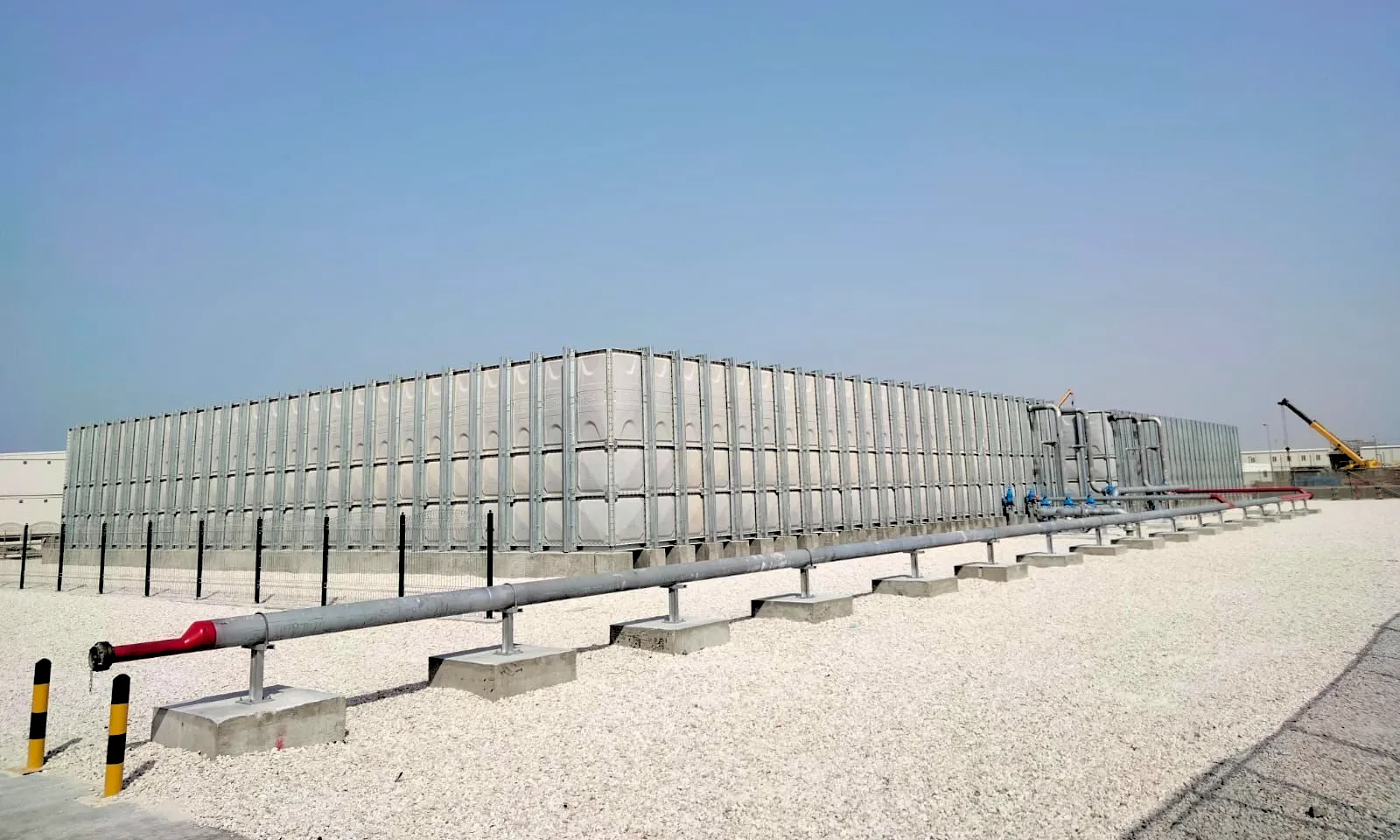
Fiberglass tanks are preferred in water treatment, chemical containment, desalination and renewable energy projects due to their corrosion resistance, long service life, and low maintenance. Compared to steel and concrete, modern GRP/FRP tanks typically deliver:
Recent material advancements are central to the sustainability story:
| Innovation | Benefit |
|---|---|
| Low-styrene or styrene-free resins | Reduced VOC emissions during manufacture |
| Bio-based resin systems | Lower lifecycle carbon footprint |
| High-performance glass & hybrid fibers | Improved strength, fatigue life and thinner laminates |
| Nano-additives (graphene, nano-silica) | Better barrier, abrasion resistance and thermal stability |
These improvements allow tank makers to meet stricter environmental regulations while improving durability and reducing the mass of composite structures.
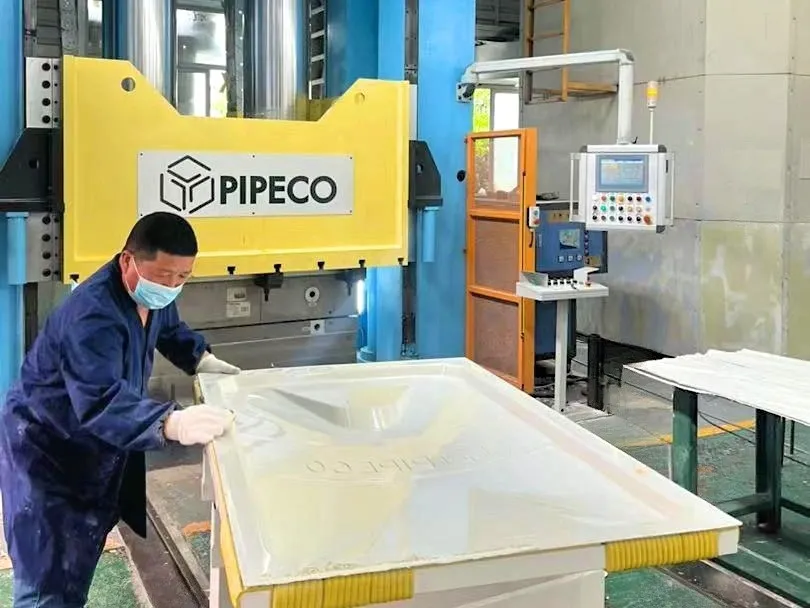
Moving manufacturing from open-mold to closed-mold processes and automation significantly reduces emissions and scrap:
Sustainability-driven design evaluates a tank's environmental impact across its entire lifecycle. Leading practices include:
High-growth applications for modern fiberglass tanks include:
Compliance and rigorous testing remain essential. Typical standards and tests include:
With composites passing the USD 100 billion milestone, the fiberglass tank sector has strong tailwinds. To capitalize on growth and sustainability goals, manufacturers and buyers should:
Technological progress in fibers, resins and manufacturing is propelling the fiberglass tank industry into a greener, more sustainable era. GRP/FRP tanks are no longer just corrosion-resistant alternatives — they are a strategic, low-carbon choice for modern infrastructure when designed and produced with lifecycle thinking and advanced manufacturing methods.
Experience the brand Trusted by Renowned Companies across the GLOBE.
Pipeco stands at the forefront of the market, recognized as a premier manufacturer, supplier, and exporter specializing in top-tier GRP water tanks, stainless steel water tanks, and FRP Water Tank, Fiberglass Tank, SMC Water Tank committed to delivering unparalleled quality and excellence.
Get In Touch
Email: master@pipeco.cn
Tel: 0086-576-84616026
Address: No.2 Zhaofeng Road, Xinqian Street, Huangyan District, Taizhou City, Zhejiang Province, China