
Most articles stop at explaining what NFPA 22 requires. But in real projects, engineers don't just ask: “Is this compliant?” They ask a more critical question:
“What happens to this tank when everything goes wrong?”
This is where GRP water tank, FRP water tank, and GRP sectional tank solutions start to separate themselves from traditional options.
NFPA 22 does not favor a specific material. Whether it's a fiberglass tank, steel tank, or concrete tank, the requirement is simple:
This shifts the evaluation from material type → failure behavior.
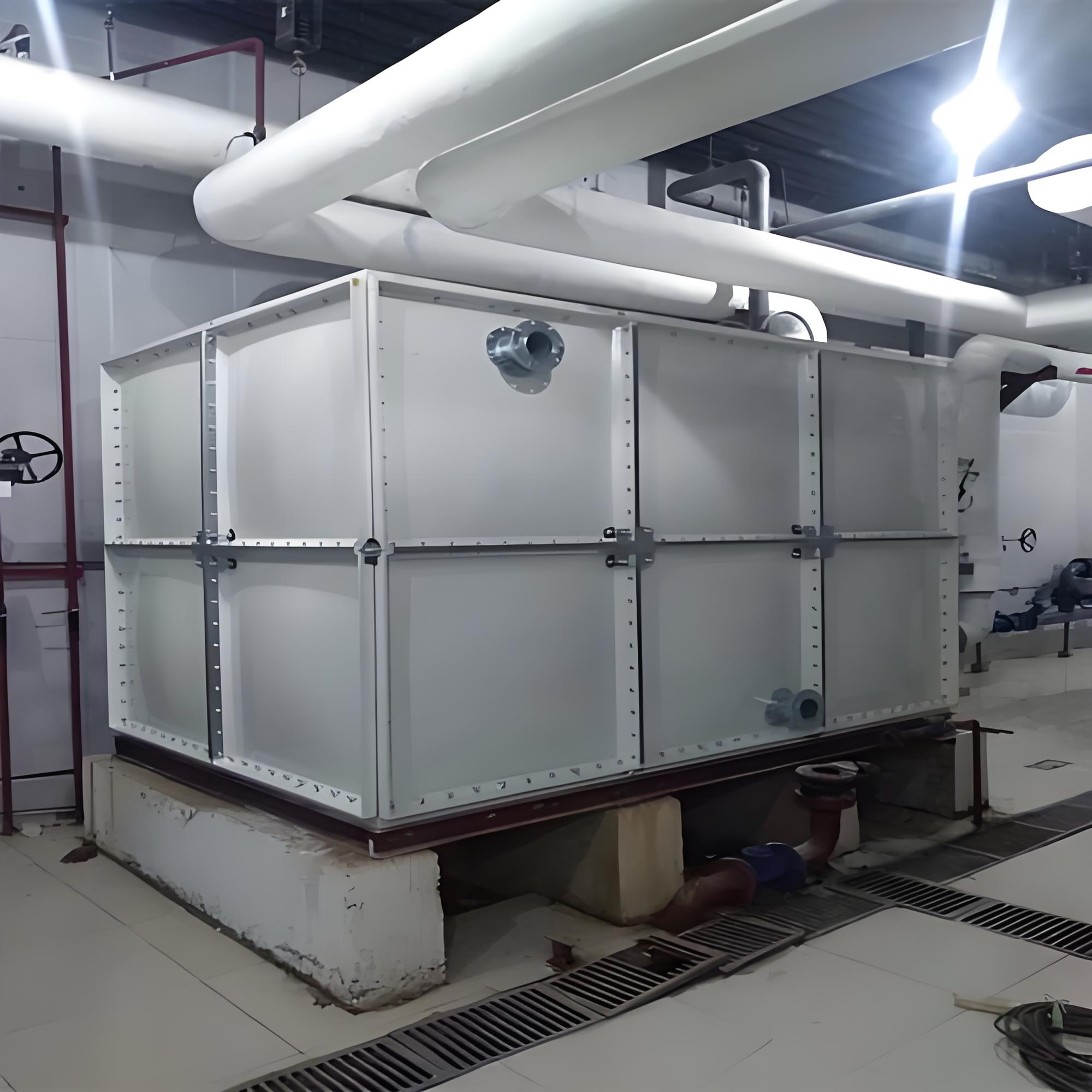
A GRP sectional tank behaves very differently from a welded steel tank under stress—and that difference is often underestimated.
In seismic regions, rigid structures tend to fail suddenly. Flexible systems absorb energy.
This is where GRP water tank and SMC water tank systems show a unique advantage:
A GRP square shape tank doesn't fight the earthquake—it adapts to it.
That distinction is rarely highlighted in standard compliance articles, but it directly affects survival in real-world conditions.
Steel tanks don't fail because of design—they fail because of time.
Corrosion gradually weakens structure, often invisibly. By the time it's detected, the system is already compromised.
In contrast:
This means fewer unknowns over a 20-year lifecycle.
From a risk perspective, GRP is not just a material choice—it's a predictability strategy.
Time is often ignored in technical comparisons—but in large projects, it directly impacts cost and risk exposure.
A GRP sectional tank can be installed in days, not weeks.
Why this matters:
Compared to concrete or welded tanks, GRP square shape tank systems dramatically shorten the critical path.
Not all GRP water tank systems are equal.
Most failures don't come from material—they come from manufacturing inconsistency:
High-quality SMC water tank production depends on:
This is where supply chain capability becomes more important than design drawings.
| Decision Factor | GRP Water Tank | Steel Tank |
|---|---|---|
| Seismic Behavior | Flexible, energy-absorbing | Rigid, stress-concentrated |
| Corrosion Risk | None | High (long-term) |
| Installation Speed | Fast (modular) | Slow (welding/assembly) |
| Lifecycle Predictability | High | Variable |
Choosing a FRP water tank or fiberglass tank is not just about cost—it's about reducing uncertainty.
Instead of asking:
❌ “Is this GRP water tank compliant with NFPA 22?”
Ask:
These questions reveal why GRP sectional tank and SMC water tank systems are increasingly selected in critical infrastructure projects.
NFPA 22 defines the baseline. But real engineering decisions go beyond compliance.
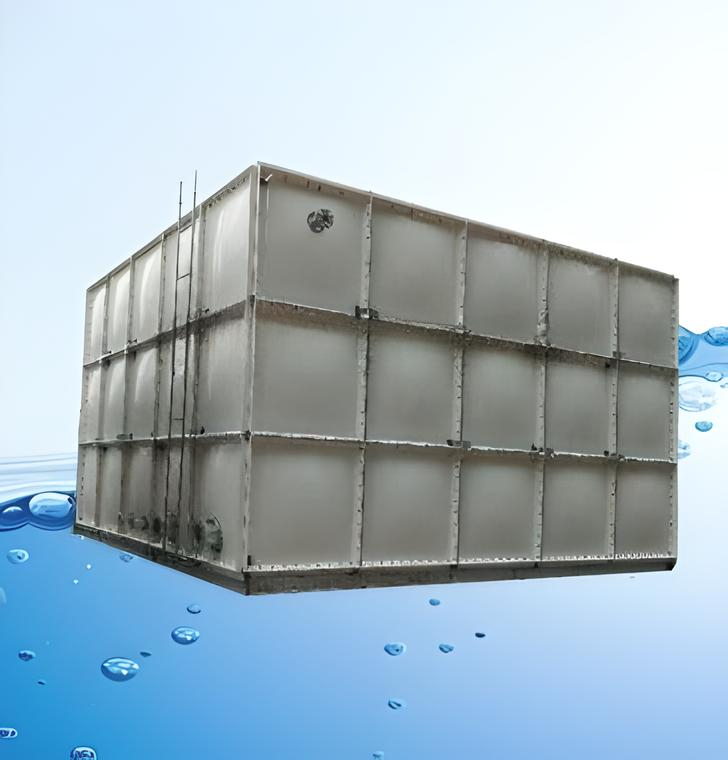
A well-designed GRP water tank, GRP square shape tank, or FRP water tank delivers:
In today's projects, the question is no longer “Can GRP meet the standard?”
It's whether traditional materials can match its performance.
Experience the brand Trusted by Renowned Companies across the GLOBE.
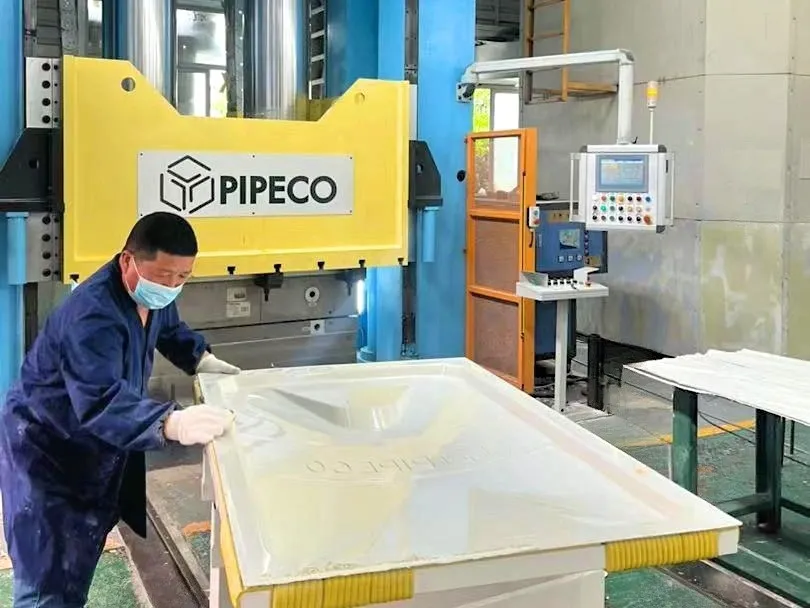
Pipeco stands at the forefront of the market, recognized as a premier manufacturer, supplier, and exporter specializing in top-tier GRP water tanks, stainless steel water tanks, and FRP Water Tank, Fiberglass Tank, SMC Water Tank committed to delivering unparalleled quality and excellence.
Get In Touch
Email: master@pipeco.cn
Tel: 0086-576-84616026
Address: No.2 Zhaofeng Road, Xinqian Street, Huangyan District, Taizhou City, Zhejiang Province, China