
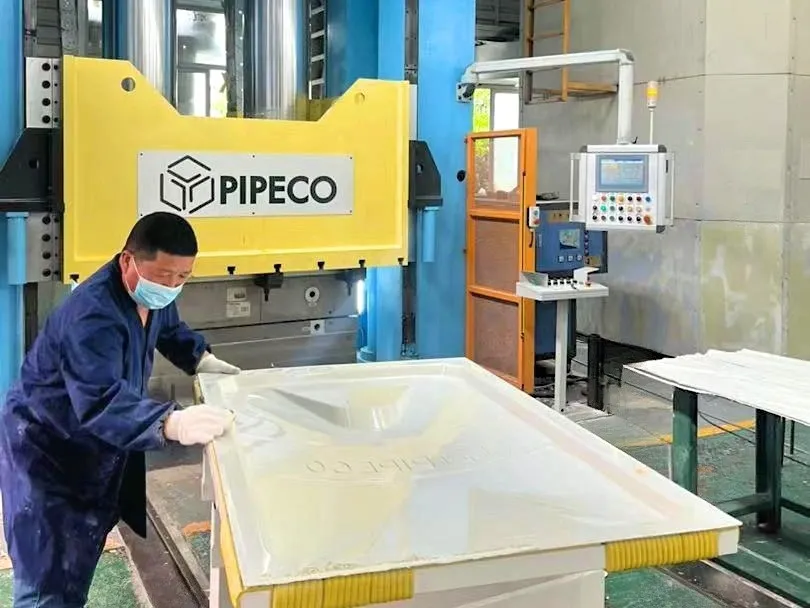
In modern water storage projects, GRP sectional tanks—also known as GRP water tanks or FRP water tanks—have become the preferred solution for municipal water supply, industrial facilities, commercial buildings, and residential infrastructure. Their lightweight structure, corrosion resistance, modular design, and long service life offer clear advantages over traditional concrete or steel tanks.
However, achieving true operating cost optimization does not rely solely on material selection. Proper maintenance and cleaning strategies play a decisive role in extending the service life of a GRP sectional tank while ensuring water quality, structural integrity, and long-term system reliability.
This article outlines four key maintenance and cleaning practices that help maximize the lifespan of GRP sectional tanks and minimize total lifecycle costs.
Although GRP and FRP materials are highly resistant to corrosion, periodic internal inspection remains essential. Over time, water pressure, temperature variation, and long-term load distribution can lead to localized stress on panels, bolts, and sealing areas.
Recommended inspection focus areas include:
Regular inspections allow early detection of minor issues, preventing costly structural repairs or premature tank replacement. From an operating cost perspective, preventive inspection is significantly more economical than corrective maintenance.
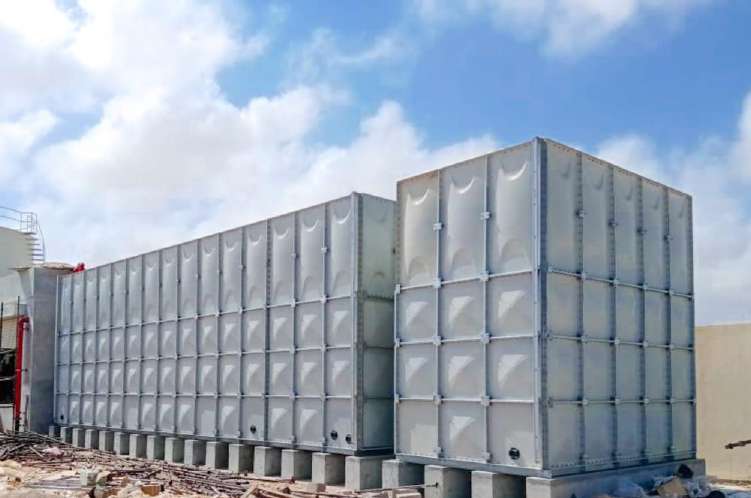
One of the most critical functions of a GRP sectional water tank is maintaining clean and hygienic stored water. Sediment accumulation, biofilm formation, and microbial growth can occur if cleaning cycles are neglected.
To ensure stable water quality and comply with hygiene standards, it is recommended to:
A well-maintained cleaning schedule not only protects public health but also prevents chemical and biological deterioration of the GRP material, directly contributing to a longer service life and reduced operating risk.
The modular structure of a GRP sectional tank relies heavily on sealing systems between panels. Over time, gasket compression, aging, and thermal expansion can compromise seal integrity, leading to micro-leakage.
Effective seal management includes:
Uncontrolled leakage increases water loss, energy consumption, and maintenance frequency. Proactive seal management therefore plays a crucial role in reducing long-term operating costs.
While GRP water tanks are suitable for outdoor installation, environmental factors such as UV exposure, temperature extremes, and improper foundation support can influence long-term performance.
Key protective measures include:
By controlling external conditions, operators can significantly reduce material aging and structural fatigue, thereby extending the service life of the GRP sectional tank without increasing maintenance complexity.
Extending the service life of a GRP sectional tank is not the result of a single action, but the outcome of a systematic maintenance and cleaning strategy. Regular inspection, scientific cleaning, seal integrity control, and environmental protection together form a comprehensive approach to operating cost optimization.
For project owners, facility managers, and water system operators, investing in proper GRP water tank maintenance delivers measurable returns: lower repair costs, improved water quality, reduced downtime, and a significantly extended operational lifespan.
As a trusted solution provider in modular water storage systems, PIPEC O continues to support clients with reliable GRP sectional tank designs and long-term operation guidance, ensuring both performance stability and cost efficiency throughout the entire lifecycle.
Experience the brand Trusted by Renowned Companies across the GLOBE.
Pipeco stands at the forefront of the market, recognized as a premier manufacturer, supplier, and exporter specializing in top-tier GRP water tanks, stainless steel water tanks, and FRP Water Tank, Fiberglass Tank, SMC Water Tank committed to delivering unparalleled quality and excellence.
Get In Touch
Email: master@pipeco.cn
Tel: 0086-576-84616026
Address: No.2 Zhaofeng Road, Xinqian Street, Huangyan District, Taizhou City, Zhejiang Province, China