
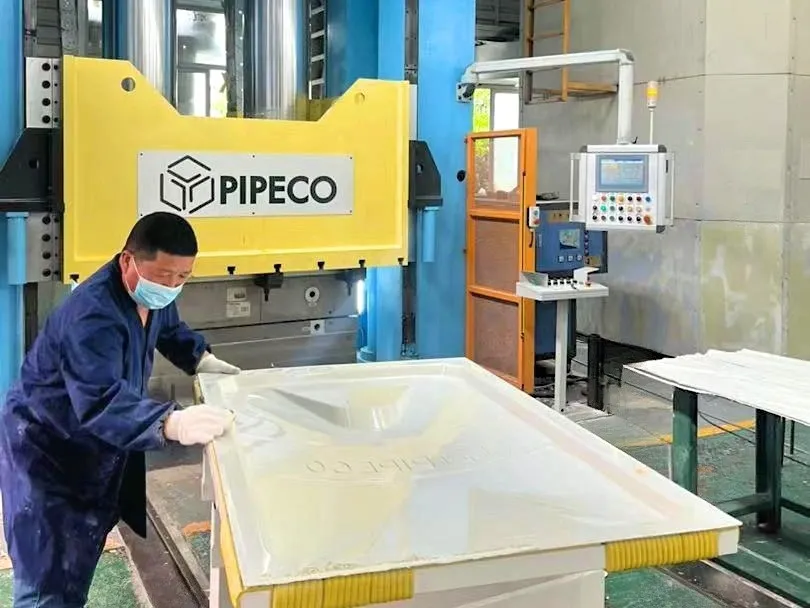
In 2026, high-strength GRP water tanks are widely used in Carbon Capture, Utilization, and Storage (CCUS) systems due to their corrosion resistance, lightweight modular structure, and long service life. Compared to steel and concrete tanks, GRP (Glass Reinforced Plastic) offers lower lifecycle costs, improved chemical stability, and flexible installation, making it a key infrastructure solution for scalable low-carbon industrial projects.
As global decarbonization accelerates, Carbon Capture and Storage (CCS) and Carbon Capture, Utilization, and Storage (CCUS) have entered a stage of rapid commercialization and industrial deployment in 2026.
Industries such as power generation, cement, steel, hydrogen production, and petrochemicals are increasingly integrating carbon capture systems into their operations. This shift is driving demand for durable, corrosion-resistant, and scalable storage infrastructure.
Among various solutions, GRP water tanks (also known as FRP water tanks or fiberglass tanks) have become a preferred choice due to their performance, cost-efficiency, and adaptability.
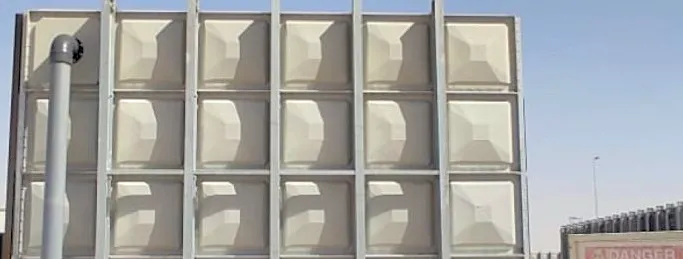
CCUS processes involve aggressive media such as CO₂-rich fluids, amine solvents, and chemical additives. GRP water tanks provide outstanding resistance to corrosion, significantly extending service life compared to steel tanks.
GRP tanks offer a high strength-to-weight ratio, enabling modular design and rapid installation—ideal for distributed CCUS projects and remote industrial sites.
With a lifespan often exceeding 20–30 years, FRP water tanks reduce maintenance, replacement, and downtime costs, making them highly competitive in large-scale CCS infrastructure.
GRP materials do not react with stored liquids, ensuring safe storage of process water, chemicals, and treated fluids in carbon capture systems.
Compared to traditional materials, GRP water tanks offer a balanced combination of performance and sustainability:
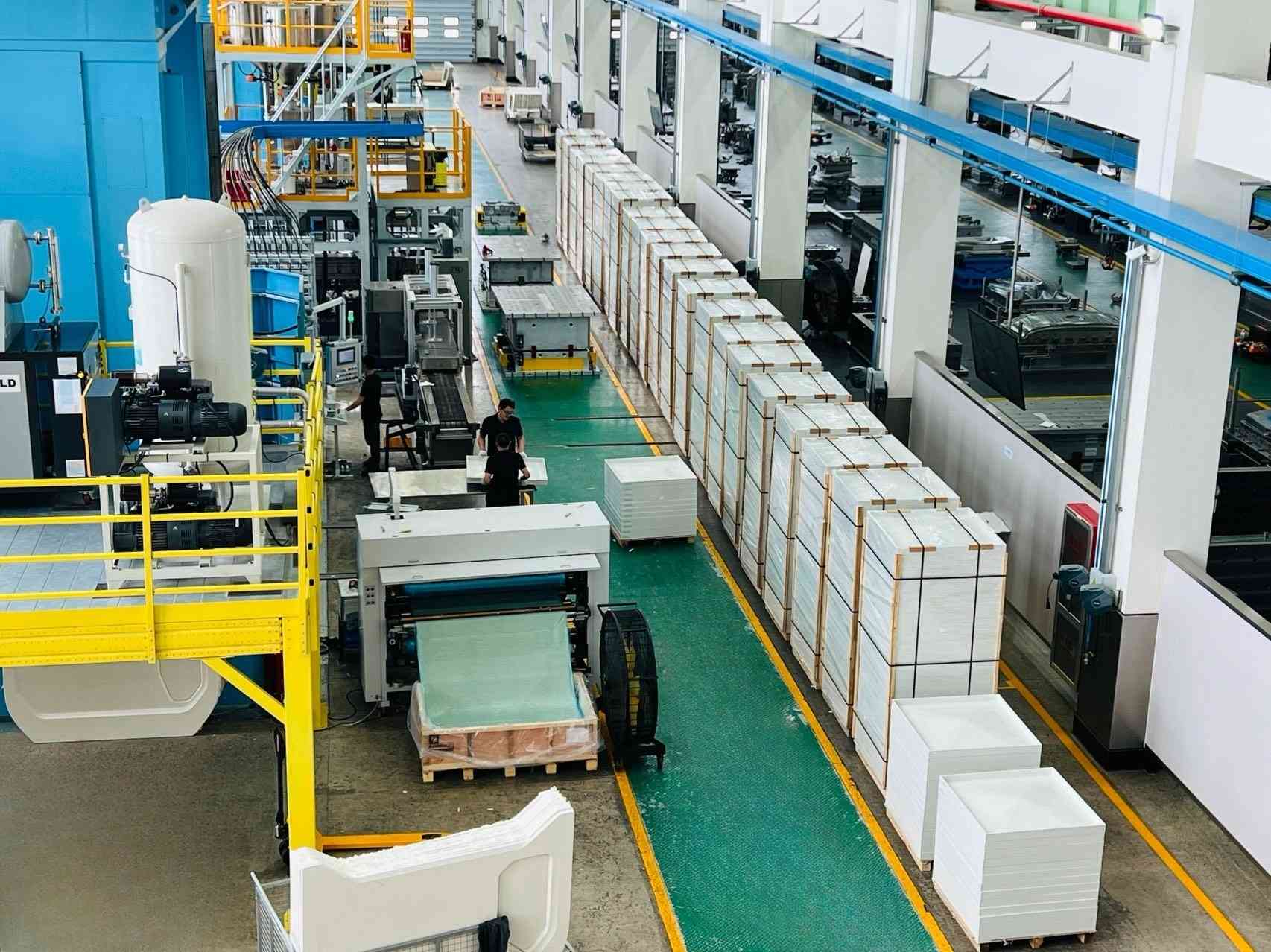
The quality and performance of GRP water tanks depend heavily on advanced manufacturing technologies, including:
These technologies ensure high precision, consistent panel quality, and efficient mass production, supporting the rapid deployment of global CCUS infrastructure.
As CCUS continues to expand, GRP water tanks will play a vital role in:
The combination of advanced composite materials and precision mold engineering positions GRP tanks as a core component of next-generation industrial systems.
A GRP water tank is a storage system made from Glass Reinforced Plastic (FRP), offering corrosion resistance, lightweight design, and long service life.
GRP tanks are suitable because they resist chemical corrosion, require low maintenance, and provide long-term durability in harsh industrial environments.
In many CCUS applications, GRP tanks outperform steel tanks due to their corrosion resistance, lower lifecycle cost, and easier installation.
In 2026, the rapid expansion of CCS and CCUS technologies is reshaping global industrial infrastructure. High-strength GRP water tanks, supported by SMC molding and compression mold technologies, provide a reliable, scalable, and sustainable solution for modern low-carbon systems.
As industries move toward carbon neutrality and sustainable manufacturing, GRP tanks will remain a key enabler of efficient, durable, and future-ready carbon management infrastructure.
Experience the brand Trusted by Renowned Companies across the GLOBE.
Pipeco stands at the forefront of the market, recognized as a premier manufacturer, supplier, and exporter specializing in top-tier GRP water tanks, stainless steel water tanks, and FRP Water Tank, Fiberglass Tank, SMC Water Tank committed to delivering unparalleled quality and excellence.
Get In Touch
Email: master@pipeco.cn
Tel: 0086-576-84616026
Address: No.2 Zhaofeng Road, Xinqian Street, Huangyan District, Taizhou City, Zhejiang Province, China