
In many parts of the world, especially in high-risk regions such as the Middle East, North Africa, and infrastructure-challenged developing areas, reliable water storage systems are critical for ensuring continuous water supply and emergency preparedness. In these environments, water storage tanks must withstand extreme temperatures, corrosion risks, infrastructure instability, and limited maintenance resources.
Among modern water storage solutions, the FRP Water Tank, also widely known as a GRP Water Tank or Fiberglass Tank, has become one of the most reliable technologies for long-term water storage in demanding environments.
Compared with traditional steel or concrete tanks, FRP composite tanks provide superior corrosion resistance, lightweight structure, high durability, and minimal maintenance requirements, making them particularly suitable for infrastructure projects located in high-risk zones.
Engineering contractors working in politically unstable or environmentally harsh regions often face significant challenges when designing water storage infrastructure. These challenges directly influence the selection of water tank materials and technologies.
Countries in the Middle East frequently experience temperatures above 50°C, intense ultraviolet radiation, and severe temperature fluctuations between day and night. Traditional metal tanks can expand, corrode, or degrade rapidly under these conditions, increasing maintenance requirements and operational risks.
Coastal environments, desalination plants, and industrial facilities expose water storage tanks to salt, humidity, and chemical contaminants. Metal tanks often require continuous anti-corrosion treatments, while concrete tanks may develop cracks over time.
In high-risk areas where maintenance teams may face safety concerns or logistical limitations, infrastructure must operate reliably for long periods without frequent repairs. This requirement makes low-maintenance water storage systems particularly valuable.
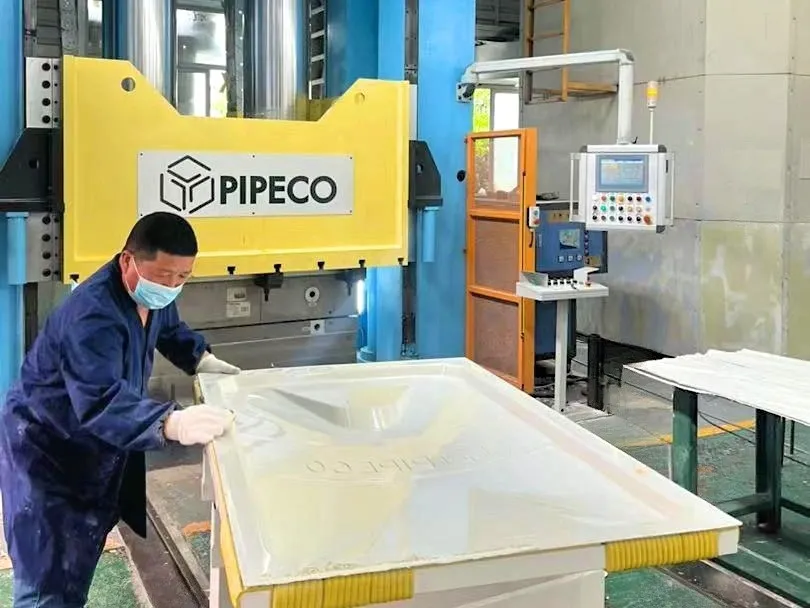
The FRP Water Tank is manufactured using advanced composite materials consisting of glass fiber reinforcement and polymer resin. This composite structure creates a lightweight but extremely strong material capable of withstanding demanding environmental conditions.
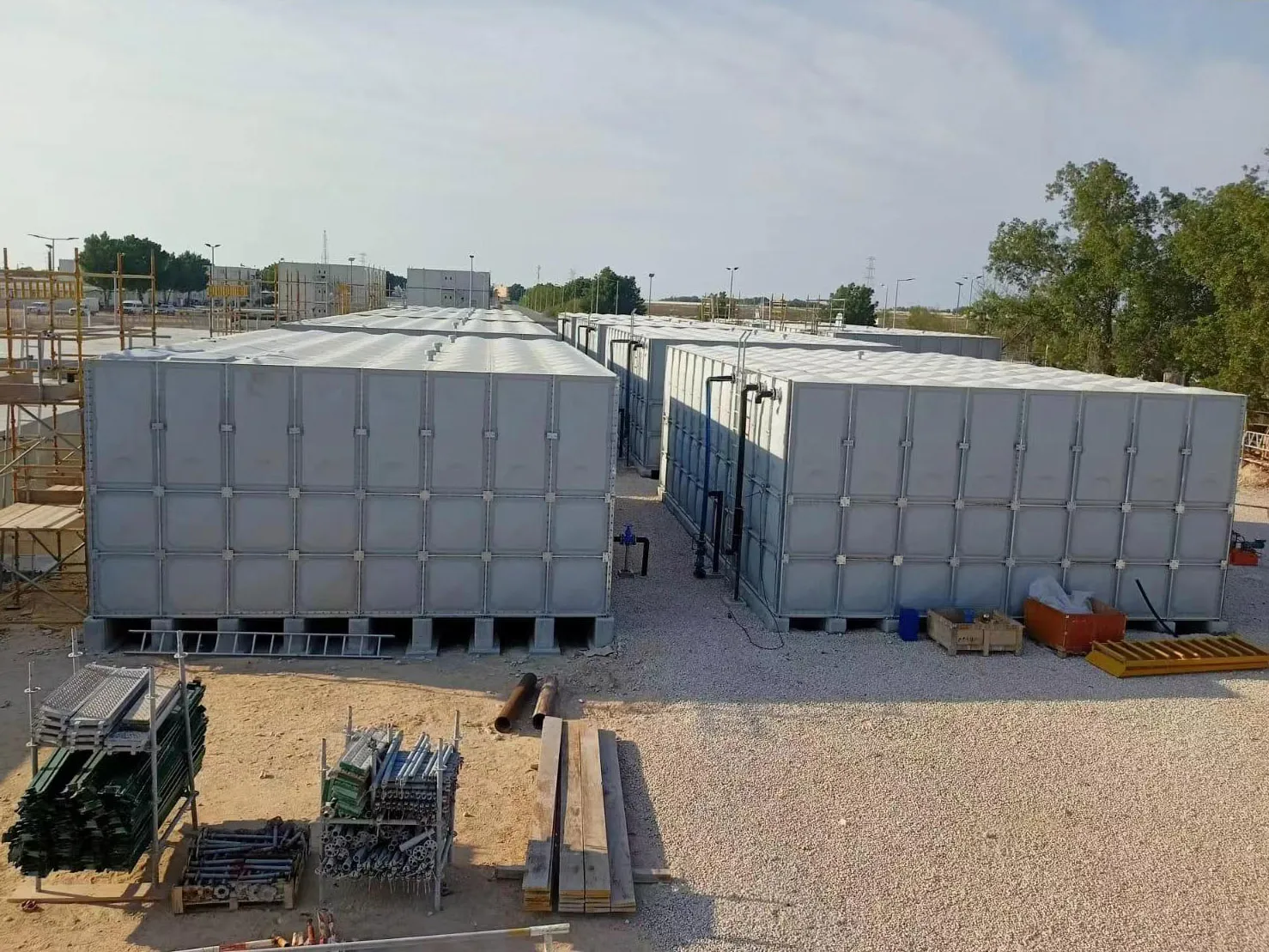
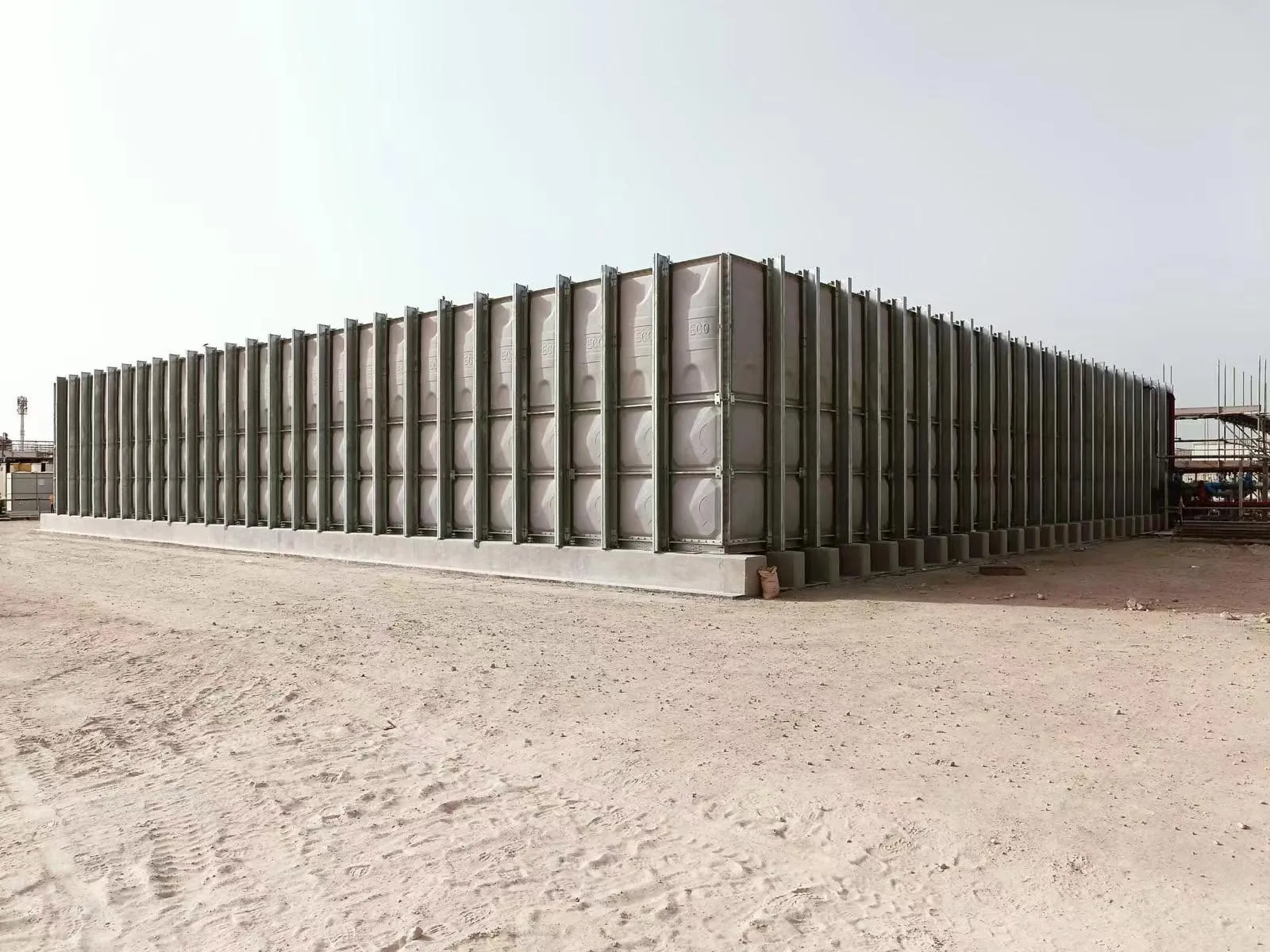
For large-scale infrastructure projects, the GRP Sectional Water Tank design allows modular assembly while maintaining excellent structural stability.
One of the most significant advantages of a Fiberglass Tank is its natural resistance to corrosion. Unlike steel tanks, which require protective coatings, FRP tanks do not rust and are highly resistant to chemical attack.
This makes GRP Water Tanks particularly suitable for applications such as:
For regions exposed to salt air and humidity, this corrosion resistance significantly extends the service life of water storage infrastructure.
Modern GRP Sectional Water Tanks are engineered using high-strength composite panels that offer excellent mechanical performance.
Even under extreme environmental stress, FRP materials maintain their structural integrity, ensuring reliable water storage performance over decades of operation.
Transportation and installation logistics can be difficult in remote or unstable regions. Traditional concrete or steel tanks often require heavy lifting equipment and complex construction processes.
In contrast, GRP sectional tanks are delivered in modular panels, allowing easier transportation and simplified on-site assembly.
This modular design offers several advantages:
In areas affected by conflict, natural disasters, or sudden population growth, rapid deployment of water storage systems is essential. The modular structure of a FRP Water Tank allows quick installation using basic assembly tools.
This makes fiberglass water tanks particularly valuable for:
Maintenance costs are a major factor in infrastructure investment decisions. Traditional tanks often require regular painting, anti-corrosion treatment, and structural repairs.
However, FRP and GRP Water Tanks require minimal maintenance due to their corrosion-resistant materials and smooth internal surfaces.
Key maintenance advantages include:
For governments and contractors managing large infrastructure projects, these benefits significantly reduce operational costs over the lifespan of the tank system.
Water safety is a critical consideration in public infrastructure. High-quality FRP Water Tanks are manufactured using food-grade materials that ensure safe potable water storage.
The smooth internal surface of a Fiberglass Tank prevents bacterial growth and sediment buildup, helping maintain water quality.
As a result, these tanks are widely used in:
One of the most important advantages of GRP Water Tanks is their long service life. Under normal operating conditions, a well-designed FRP Water Tank can last more than 20–30 years.
This extended lifespan provides substantial economic benefits:
Due to their durability and reliability, GRP Sectional Water Tanks are widely used across multiple infrastructure sectors in challenging environments.
In regions where environmental conditions, infrastructure instability, and maintenance limitations present serious challenges, FRP Water Tanks provide a highly reliable water storage solution.
Their corrosion resistance, lightweight modular design, long service life, and minimal maintenance requirements make them particularly suitable for infrastructure projects in high-risk zones.
As global demand for resilient water infrastructure continues to grow, GRP Water Tanks and Fiberglass Tanks are becoming essential technologies for ensuring stable and sustainable water storage systems worldwide.
For engineering contractors and infrastructure developers seeking dependable long-term water storage solutions, the FRP Water Tank represents one of the most efficient and durable options available today.
Experience the brand Trusted by Renowned Companies across the GLOBE.
Pipeco stands at the forefront of the market, recognized as a premier manufacturer, supplier, and exporter specializing in top-tier GRP water tanks, stainless steel water tanks, and FRP Water Tank, Fiberglass Tank, SMC Water Tank committed to delivering unparalleled quality and excellence.
Get In Touch
Email: master@pipeco.cn
Tel: 0086-576-84616026
Address: No.2 Zhaofeng Road, Xinqian Street, Huangyan District, Taizhou City, Zhejiang Province, China