
As global industries increasingly demand corrosion-resistant, durable, and cost-effective storage systems, FRP tanks (Fiberglass Reinforced Plastic tanks) have become a preferred solution for chemical storage, water storage, and industrial fluid containment.
FRP tanks are composite storage vessels manufactured using fiberglass reinforcement combined with thermosetting resins such as polyester, vinyl ester, or epoxy. Through advanced manufacturing processes including filament winding and panel assembly molding, fiberglass tanks achieve excellent structural integrity and chemical resistance.
Unlike steel or concrete tanks that rely on surface coatings, the corrosion resistance of FRP tanks is inherent to the material structure itself, ensuring reliable long-term performance.
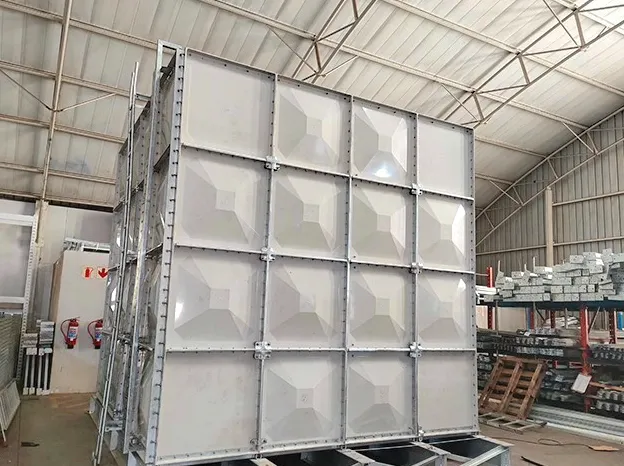
Fiberglass chemical tanks are resistant to acids, alkalis, salts, and industrial wastewater, making them ideal for aggressive chemical environments where traditional metal tanks fail.
FRP water storage tanks typically provide a service life of 20–30 years. They do not rust, flake, or require frequent maintenance, significantly reducing lifecycle costs.
Compared with concrete or steel tanks, FRP tanks are lightweight while maintaining high tensile strength, enabling faster installation and reduced foundation requirements.
Fiberglass tanks can be customized in size, shape, capacity, and connection interfaces. Both vertical and horizontal configurations are available to meet project-specific requirements.
FRP water tanks are widely used in municipal water supply, fire protection systems, commercial buildings, and industrial process water storage. Their smooth inner surfaces help prevent contamination and algae growth.
Fiberglass chemical storage tanks are designed to safely store acids, alkalis, and industrial chemicals. Proper resin selection ensures long-term stability under highly corrosive conditions.
In wastewater treatment plants, FRP tanks are commonly used for chemical dosing tanks, sludge storage tanks, and equalization tanks due to their excellent resistance to hydrogen sulfide and corrosive byproducts.
| Feature | FRP Tanks | Steel Tanks | Concrete Tanks |
|---|---|---|---|
| Corrosion Resistance | Excellent | Low to Medium | Medium |
| Weight | Lightweight | Heavy | Very Heavy |
| Maintenance Cost | Low | High | Medium |
| Installation Speed | Fast | Medium | Slow |
| Service Life | Long | Medium | Medium |
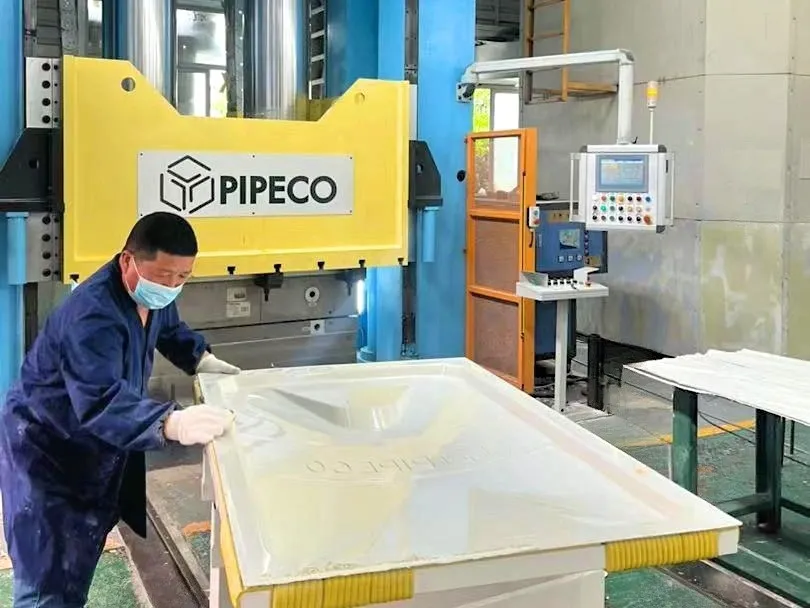
The long-term performance of FRP tanks depends heavily on engineering design, material selection, and manufacturing quality.Precision composite tooling ensures consistent wall thickness, optimized fiber orientation, and reliable mechanical properties.
At PIPECO, advanced composite manufacturing technologies and strict quality control standards are applied to deliver fiberglass tanks that meet international engineering and safety requirements.
FRP tanks contribute to sustainable infrastructure development by reducing material waste, extending service life, and lowering transportation and installation energy consumption.
Their durability and efficiency align with global trends toward low-carbon and long-life industrial storage solutions.
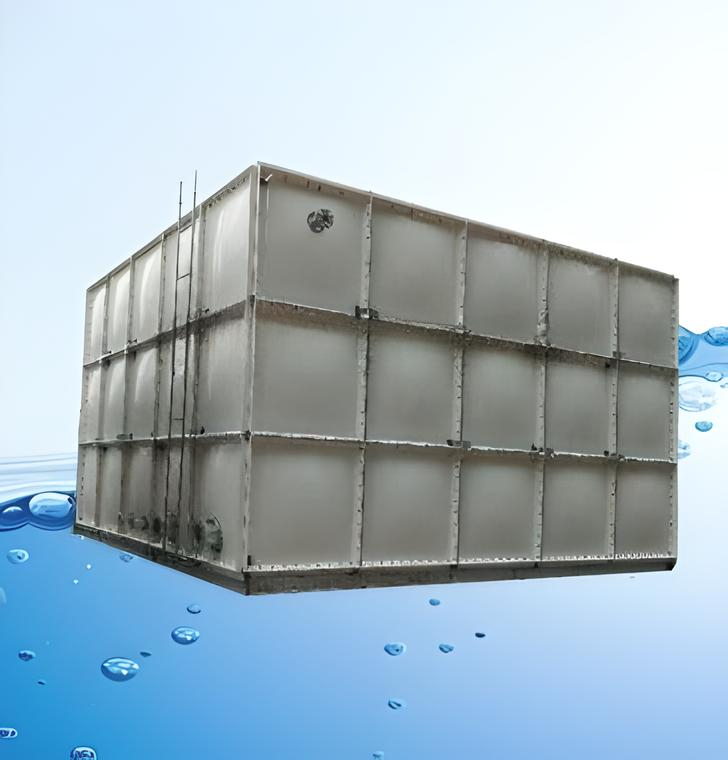
Whether used for water storage, chemical containment, or wastewater treatment, FRP tanks provide a proven combination of durability, performance, and cost efficiency. As industrial demands continue to rise, fiberglass chemical and water storage tanks will remain a core solution for modern infrastructure.
Experience the brand Trusted by Renowned Companies across the GLOBE.
Pipeco stands at the forefront of the market, recognized as a premier manufacturer, supplier, and exporter specializing in top-tier GRP water tanks, stainless steel water tanks, and FRP Water Tank, Fiberglass Tank, SMC Water Tank committed to delivering unparalleled quality and excellence.
Get In Touch
Email: master@pipeco.cn
Tel: 0086-576-84616026
Address: No.2 Zhaofeng Road, Xinqian Street, Huangyan District, Taizhou City, Zhejiang Province, China