
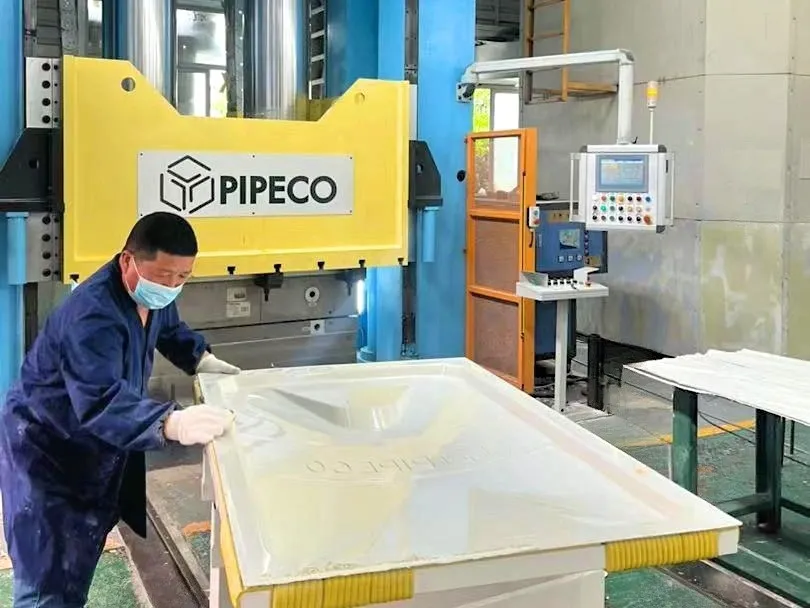
As water storage infrastructure continues to evolve toward lightweight, modular, and corrosion-resistant solutions, fiberglass-based water tanks have become widely adopted in municipal, commercial, and industrial projects. Ensuring long-term quality and operational safety requires not only sound design and manufacturing, but also effective inspection methods throughout the service life of the tank system.
Among various evaluation approaches, visual inspection remains the most efficient and practical method for identifying early-stage structural fatigue and potential leakage risks before they develop into critical failures.
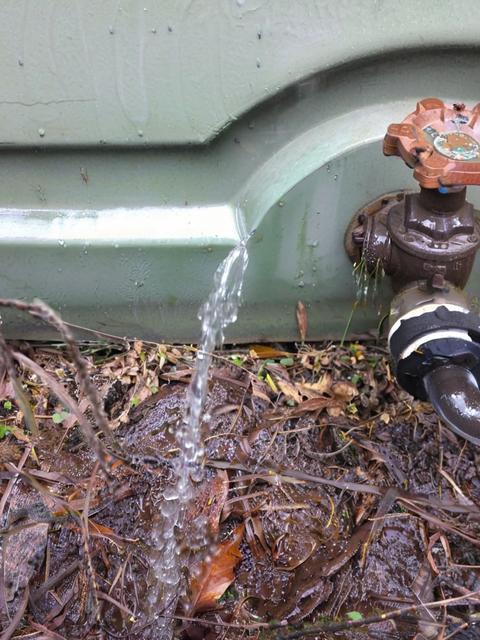
Structural fatigue refers to the gradual reduction of mechanical performance caused by repeated loading, environmental exposure, and long-term aging. In fiberglass water tank systems, fatigue does not manifest as corrosion, but rather through progressive changes in the composite material itself.
These changes often appear visually at an early stage, making routine inspection an effective preventive measure.
Modular water tank designs manufactured from GRP and FRP panels rely on mechanical connections, seals, and uniform load distribution. Visual inspection offers several advantages for these systems:
When performed systematically, visual inspection significantly extends service life and improves operational reliability.
Fine surface cracks, often referred to as resin crazing, are among the earliest visible signs of fatigue. They typically develop in areas exposed to cyclic stress or environmental aging and should be closely monitored.
A healthy composite panel should appear smooth and uniform. Warning signs include visible glass fibers, surface chalking, or discoloration caused by prolonged UV exposure or chemical contact.
Once fibers become exposed, both structural strength and sealing performance may be compromised.
Visual deformation often indicates internal stress or foundation-related issues. Typical indicators include:
Such deformation accelerates fatigue progression and increases the likelihood of joint leakage.
Most early leakage incidents originate at joints rather than through intact panels. Visual inspection should focus on seams, flanges, and sealing interfaces.
Bolted connections are high-stress concentration zones in modular tank systems. Cracks radiating from bolt holes, material deformation, or signs of moisture ingress indicate fatigue accumulation and potential leakage paths.
Internal inspection can reveal subtle leakage through localized damp areas, isolated algae growth, or variations in surface gloss, even when external leakage is not visible.
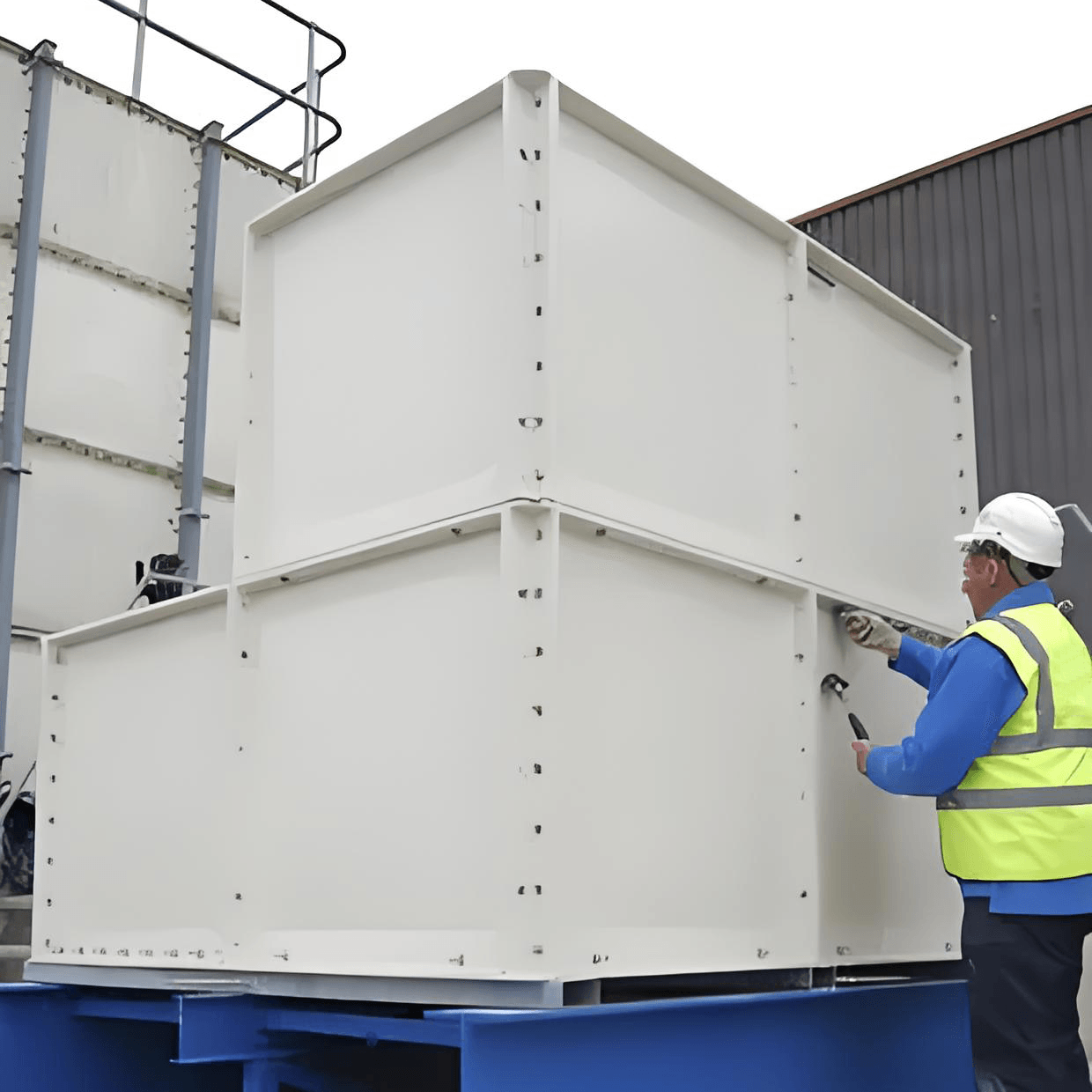
Maintaining photographic records during inspections helps track long-term trends and identify progressive fatigue.
Visual inspection findings should directly inform preventive maintenance actions, including:
Timely intervention based on visual evidence significantly reduces lifecycle costs and operational risk.
Visual inspection remains a cornerstone of quality and safety management for fiberglass water tank systems. By identifying surface changes, joint irregularities, and early deformation, operators can detect structural fatigue and leakage risks at an early stage.
In practice, what can be seen early often prevents costly repairs and unplanned downtime later.
Experience the brand Trusted by Renowned Companies across the GLOBE.
Pipeco stands at the forefront of the market, recognized as a premier manufacturer, supplier, and exporter specializing in top-tier GRP water tanks, stainless steel water tanks, and FRP Water Tank, Fiberglass Tank, SMC Water Tank committed to delivering unparalleled quality and excellence.
Get In Touch
Email: master@pipeco.cn
Tel: 0086-576-84616026
Address: No.2 Zhaofeng Road, Xinqian Street, Huangyan District, Taizhou City, Zhejiang Province, China