Quick Summary :
GRP (Glass Reinforced Plastic) water tanks offer a low-carbon alternative to traditional water storage systems. Through Life Cycle Assessment (LCA), GRP tanks demonstrate reduced emissions in manufacturing, transportation, installation, and long-term use, making them highly suitable for ESG reporting and sustainable infrastructure projects.
In the era of carbon neutrality and sustainable development, businesses are increasingly integrating ESG (Environmental, Social, and Governance) metrics into their operations. One critical area of focus is carbon footprint reduction across infrastructure systems, including water storage solutions.
GRP water tanks, also known as FRP water tanks or GRP sectional tanks, have become a preferred solution due to their lightweight structure, low energy manufacturing, and long service life. When analyzed using Life Cycle Assessment (LCA), GRP tanks clearly outperform traditional materials such as concrete and stainless steel.
Life Cycle Assessment (LCA) is a scientific method used to evaluate the environmental impact of a product from raw material extraction to end-of-life disposal. It is widely used in ESG reporting to quantify:
For GRP water tank systems, LCA provides measurable evidence of sustainability, helping companies meet regulatory requirements and enhance ESG transparency.
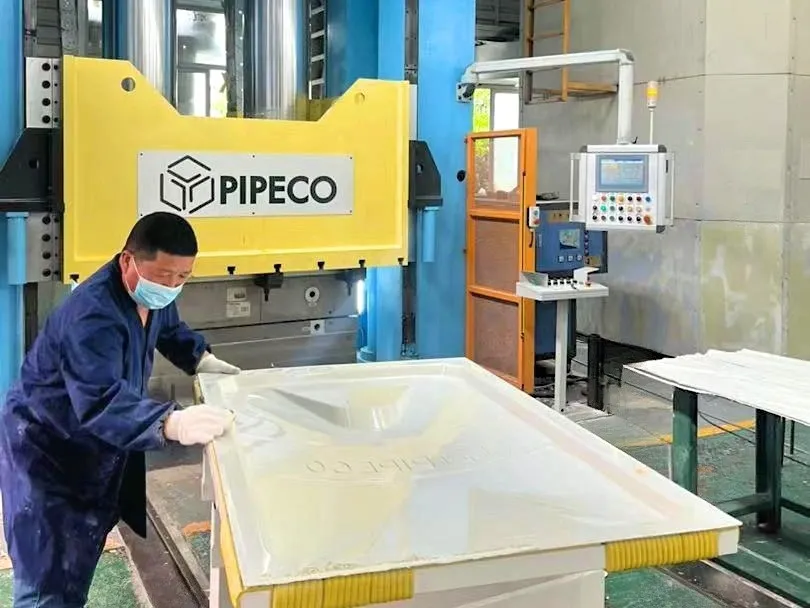
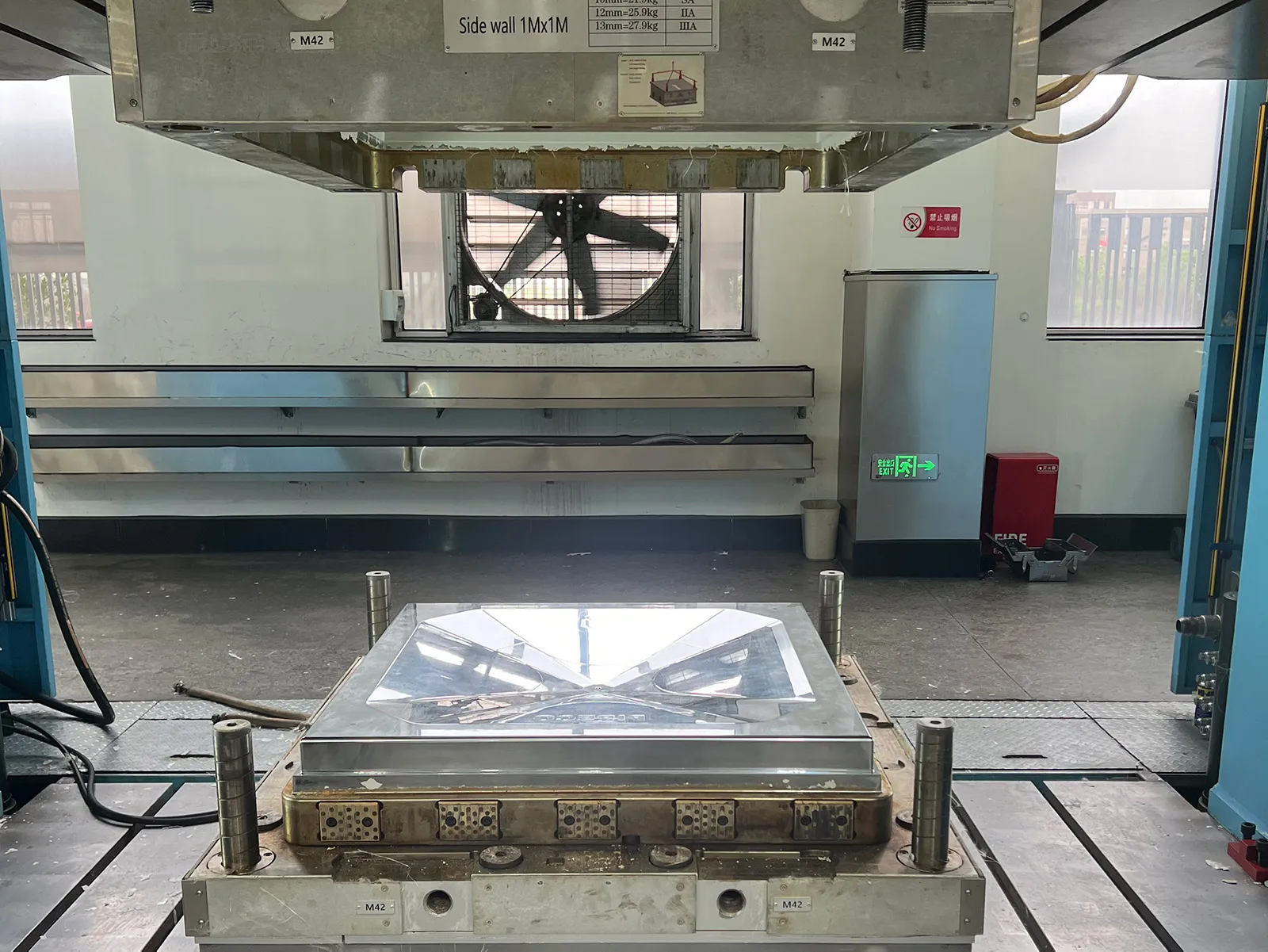
Unlike steel or concrete, GRP materials do not require high-temperature smelting or energy-intensive curing processes. Using advanced SMC compression molding technology, GRP tanks achieve:
This makes SMC water tank manufacturing significantly more sustainable compared to traditional tank production methods.
One of the most important ESG advantages of GRP sectional water tanks is their lightweight structure:
In large-scale infrastructure projects, transportation emissions can account for a significant portion of total carbon output. GRP effectively minimizes this impact.
GRP water tanks are highly durable and resistant to:
With a lifespan of over 20–30 years, GRP tanks reduce the need for frequent replacement, significantly lowering long-term carbon emissions.
GRP uses glass fibers and resin systems, which have lower overall carbon intensity compared to steel. Emerging technologies such as bio-based resins further reduce environmental impact.
Advanced compression mold and composite mold technologies ensure:
Modular GRP sectional tanks enable:
GRP tanks require minimal maintenance and no anti-corrosion treatments, reducing operational energy and chemical usage.
GRP materials can be reused or processed into secondary composite products, supporting circular economy strategies.
| Factor | GRP Water Tank | Concrete Tank | Steel Tank |
|---|---|---|---|
| Carbon Footprint | Low | High | High |
| Energy Consumption | Low | High | Very High |
| Transport Emissions | Low | Very High | High |
| Service Life | Long | Medium | Long |
The future of GRP water tank technology includes:
GRP water tanks represent a key solution for sustainable infrastructure. Their low carbon footprint, energy-efficient production, and long service life make them ideal for companies aiming to enhance ESG performance and achieve carbon neutrality goals.
Learn more about advanced FRP water tank solutions at Pipeco official website.
GRP water tanks have a lower carbon footprint due to lightweight materials, low-energy manufacturing, long lifespan, and reduced maintenance requirements.
Life Cycle Assessment (LCA) provides measurable data on carbon emissions and environmental impact, helping companies improve transparency and sustainability reporting.
GRP water tanks typically last 20–30 years or more, significantly reducing lifecycle emissions compared to traditional materials.
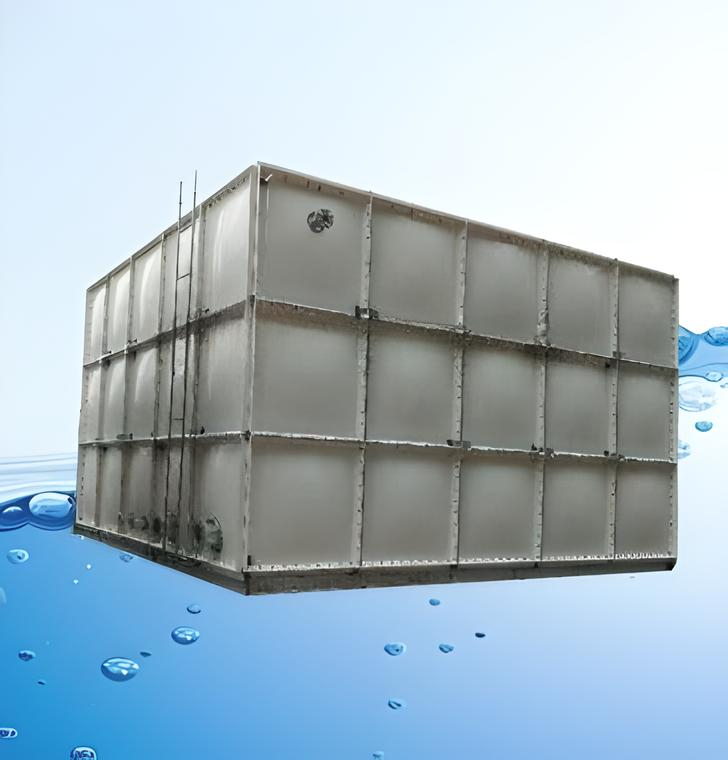
Key Insight: GRP water tanks are a low-carbon, ESG-friendly solution due to their lightweight structure, energy-efficient production, and long lifecycle performance validated by Life Cycle Assessment (LCA).
Experience the brand Trusted by Renowned Companies across the GLOBE.
Pipeco stands at the forefront of the market, recognized as a premier manufacturer, supplier, and exporter specializing in top-tier GRP water tanks, stainless steel water tanks, and FRP Water Tank, Fiberglass Tank, SMC Water Tank committed to delivering unparalleled quality and excellence.
Get In Touch
Email: master@pipeco.cn
Tel: 0086-576-84616026
Address: No.2 Zhaofeng Road, Xinqian Street, Huangyan District, Taizhou City, Zhejiang Province, China