
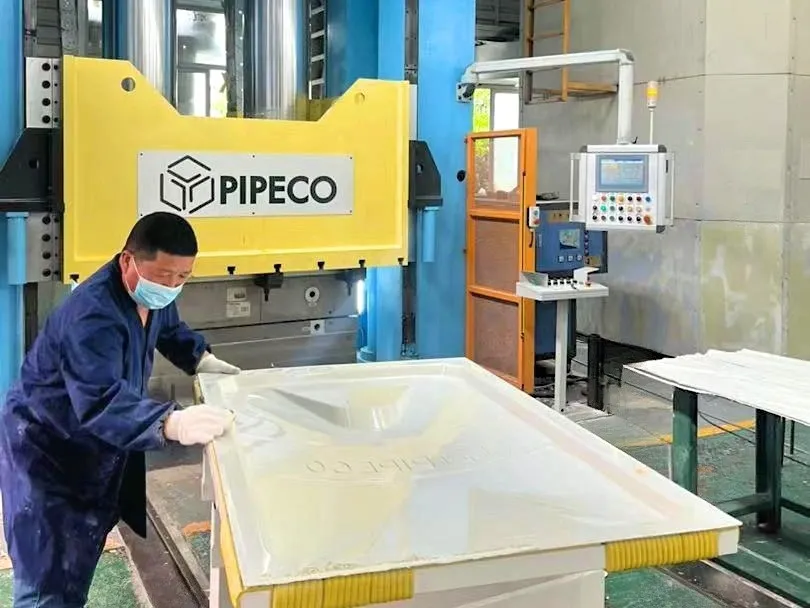
As global urbanization accelerates, cities around the world are facing increasing pressure on their water infrastructure systems. Rapid population growth, climate change, urban density, and aging municipal networks are driving demand for smarter, more sustainable water storage solutions.
In this evolving landscape, GRP water tanks are becoming an increasingly important part of smart city infrastructure. Thanks to their lightweight structure, corrosion resistance, modular design, and long service life, GRP (Glass Reinforced Plastic) water tanks are helping modern cities improve water storage efficiency, infrastructure flexibility, and sustainable urban development.
As future cities move toward intelligent infrastructure systems, modular composite water storage solutions will play a critical role in supporting:
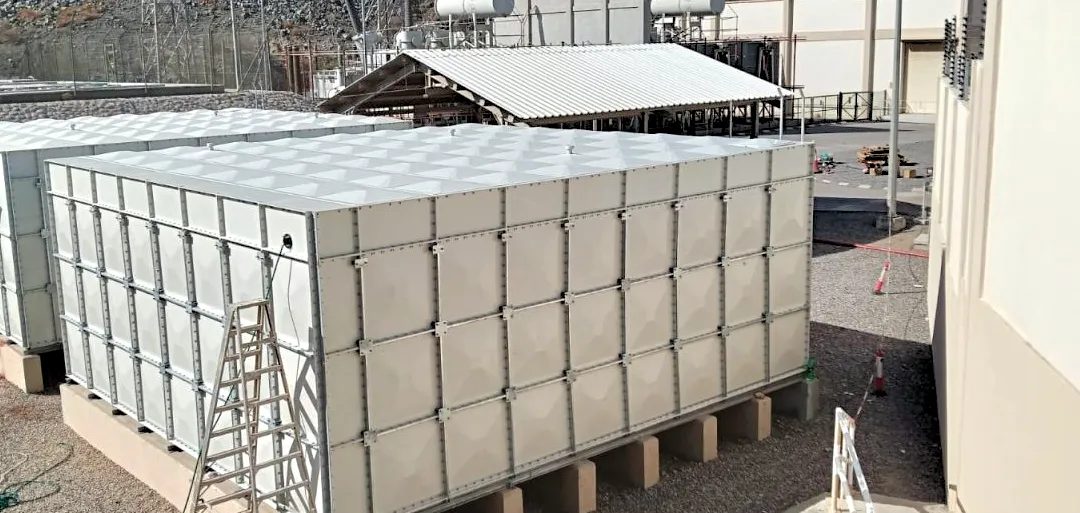
Modern smart cities rely heavily on intelligent infrastructure systems designed to improve:
Among these systems, urban water storage infrastructure is one of the most critical components.
Water storage systems in smart cities must now handle:
Traditional concrete or steel storage systems often face challenges related to:
This is one reason why GRP water tanks and FRP water storage systems are becoming increasingly popular in modern infrastructure projects.
Compared with conventional water storage materials, GRP sectional water tanks offer several important advantages for urban infrastructure systems.
One of the biggest advantages of GRP water tanks is their lightweight structure.
Compared with traditional steel or concrete tanks, composite tanks significantly reduce:
This makes them highly suitable for:
Urban environments often expose water storage systems to:
Unlike conventional steel tanks, GRP composite water tanks provide excellent corrosion resistance, helping reduce:
Modern smart cities increasingly require scalable infrastructure systems.
Modular GRP water tanks can be customized for different:
This modular flexibility allows future urban infrastructure to adapt more efficiently to changing city requirements.
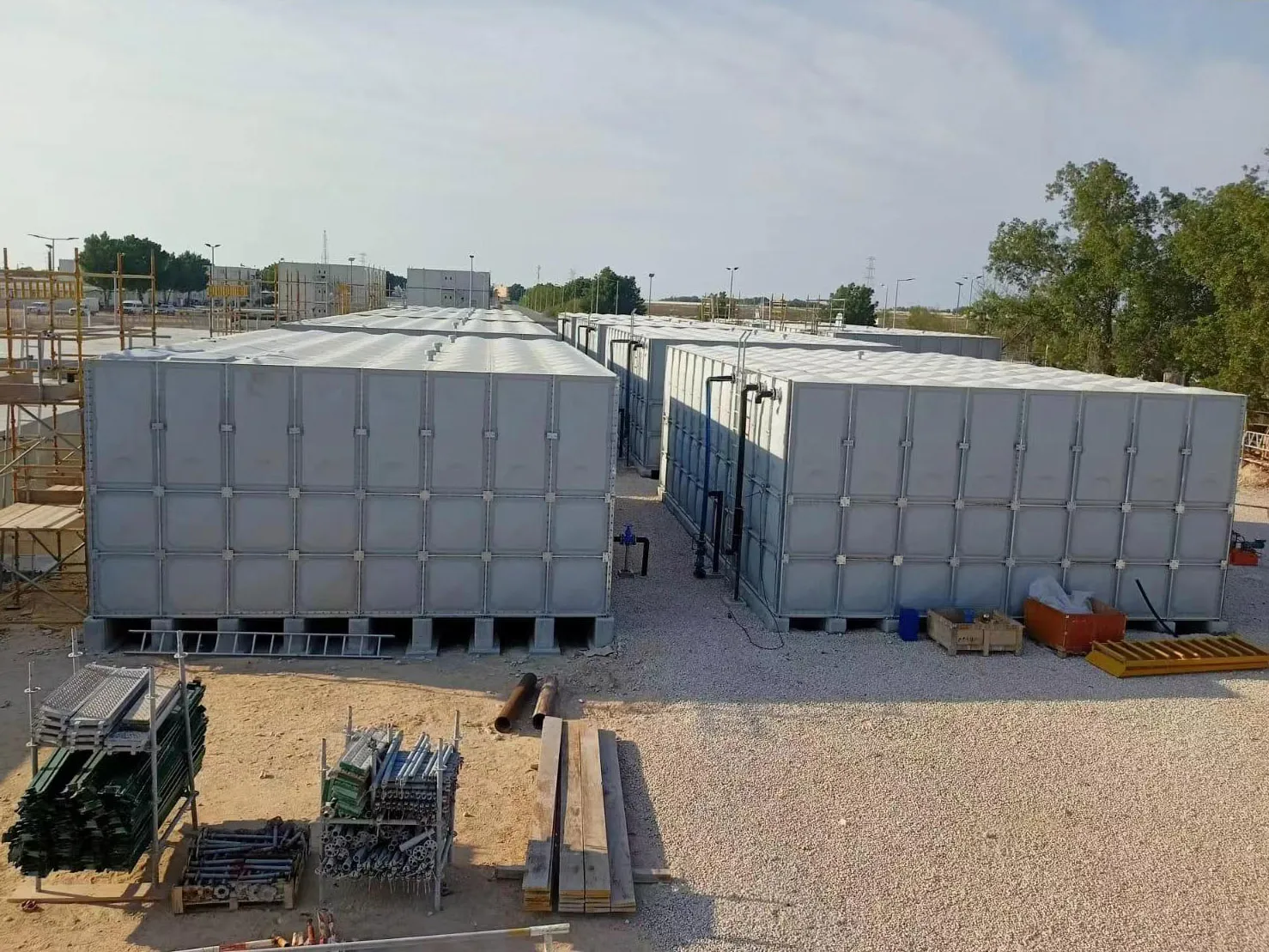
Smart buildings are becoming a central part of modern urban development.
These buildings increasingly rely on integrated water infrastructure systems capable of supporting:
SMC water tanks and GRP sectional tanks are widely used in:
Their modular structure and long service life make them highly compatible with smart building infrastructure.
Sustainability is becoming one of the most important priorities in future city planning.
Modern cities increasingly focus on:
Compared with traditional storage systems, GRP water tanks contribute to sustainability through:
These characteristics align closely with the long-term sustainability goals of smart city infrastructure development.
Water conservation has become increasingly important as cities face growing water scarcity challenges.
Modern smart city systems increasingly incorporate:
FRP water tanks are highly suitable for these applications due to their:
Composite water storage systems help cities improve overall water management efficiency while reducing pressure on municipal water supplies.
Urban resilience is becoming a major focus of future infrastructure planning.
Cities increasingly require reliable water storage systems for:
GRP firefighting water tanks offer several important advantages:
These features make them suitable for modern emergency infrastructure projects.
The future development of GRP water storage systems is closely connected to advances in:
Modern manufacturing technologies improve:
These innovations are helping composite water tanks meet increasingly demanding infrastructure requirements.
As cities continue expanding, future water infrastructure will increasingly require:
Modular GRP water tanks are well-positioned to support these future infrastructure trends.
In the coming years, smart city water systems are expected to integrate:
Composite water tanks will become an increasingly important part of these intelligent infrastructure ecosystems.
The global demand for GRP water tanks continues to increase due to:
Compared with traditional materials, FRP and GRP water storage systems provide a more flexible and sustainable solution for future infrastructure projects.
As cities become smarter, more connected, and more sustainability-focused, GRP water tanks will play an increasingly important role in modern urban infrastructure.
Through their:
GRP sectional water tanks and FRP water storage systems are helping support the future of:
As intelligent infrastructure technologies continue evolving worldwide, composite water storage solutions will remain a key component in the next generation of global urban development.
Experience the brand Trusted by Renowned Companies across the GLOBE.
Pipeco stands at the forefront of the market, recognized as a premier manufacturer, supplier, and exporter specializing in top-tier GRP water tanks, stainless steel water tanks, and FRP Water Tank, Fiberglass Tank, SMC Water Tank committed to delivering unparalleled quality and excellence.
Get In Touch
Email: master@pipeco.cn
Tel: 0086-576-84616026
Address: No.2 Zhaofeng Road, Xinqian Street, Huangyan District, Taizhou City, Zhejiang Province, China